
Tagua Tagua Park is one of the hidden gems of Northern Patagonia, where you can wander through Valdivian rainforests, spend the night by a lake surrounded by an ancient forest, and learn about the region's unique flora and fauna. Located off the classic tourist routes, the park offers a secluded and immersive experience. In this article, I share my impressions and practical tips for visiting this remarkable reserve.
Tickets and Getting There
Visiting the park and staying in its refugios or campgrounds requires advance booking. The number of visitors per day is limited, and you cannot enter the park without using its boat transfer service. I recommend applying at least a week in advance, as you’ll need time to receive a response and process payment.
Reservations and updated prices are available on the Tagua Tagua Park website. As of December 2024, the primary accommodation option was the Alerce Refugio, while the Quetrus Refugio was available only for private group bookings. There’s also a campsite near the park entrance overlooking Lake Tagua Tagua. Entry to the park costs 30,000 CLP, with an additional 30,000 CLP for a night at Alerce Refugio.
The park is 145 km from Puerto Varas. You’ll need to drive to Punta Canelo and then take a ferry. Detailed directions are provided on the park’s website. A daily bus runs from Puerto Montt to the ferry dock, departing at 7:45 am and passing Puerto Varas at 8:20 am and Ensenada at 9:20 am.
The Ferry
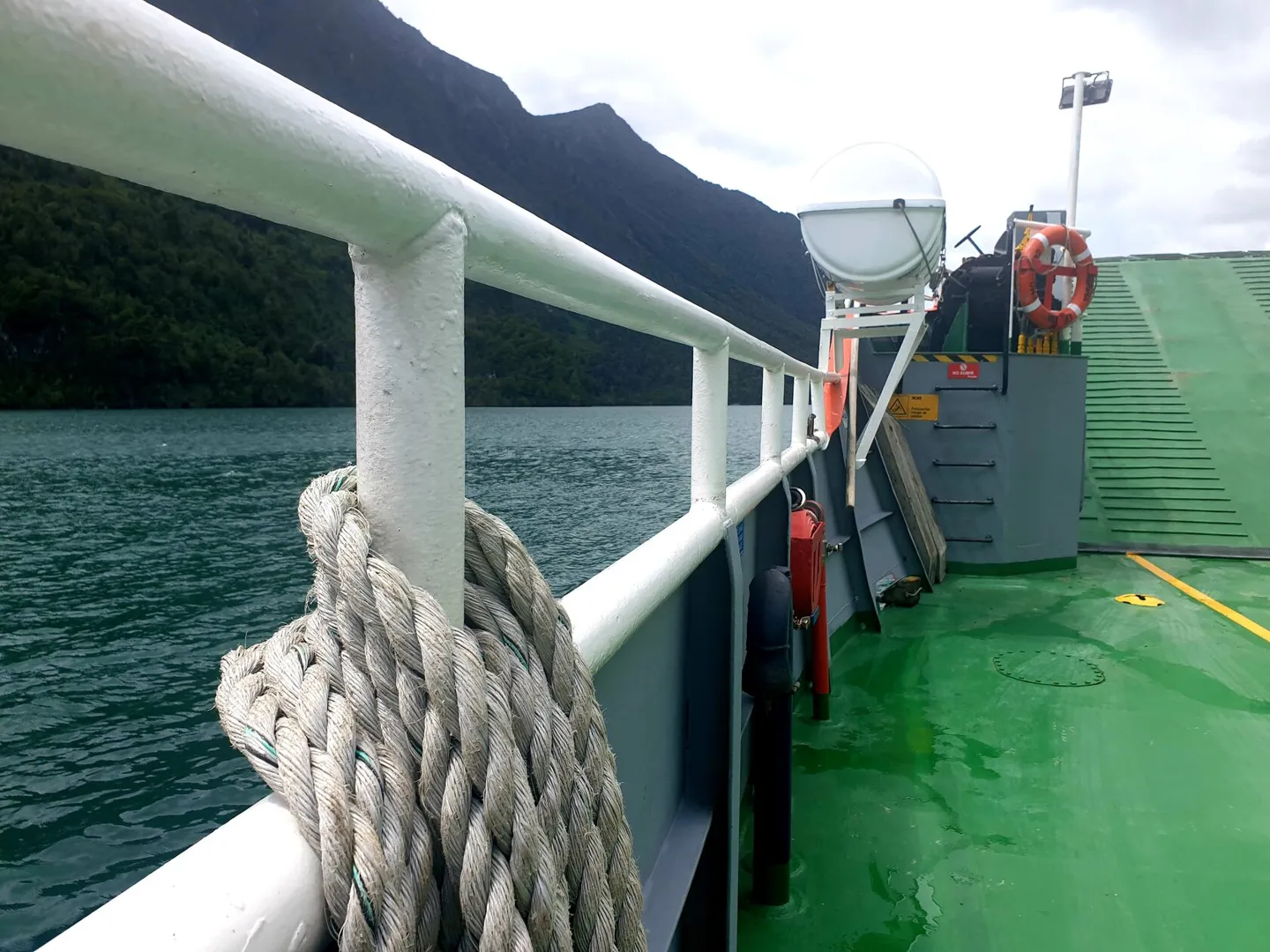
Leaning over the railing, I catch a spray of cold water on my face. Moving back from the edge, I struggle to maintain balance as the "gentle" Patagonian breeze pushes against me like an invisible wall. The ferry crossing Lake Tagua Tagua is anything but boring.
The ferry, the first leg of the journey to Tagua Tagua Park, departs from Punta Canelo and docks at Puerto Maldonado after a 40-minute diagonal crossing. It’s a small vessel, holding up to eight vehicles. Foot passengers share the deck with cars, strolling from side to side to take in and photograph the stunning scenery.
A staff member circulates among passengers with a payment terminal. There’s no need to purchase tickets in advance; simply board the ferry and pay once it departs. Credit cards are accepted, but it’s a good idea to carry cash just in case.
The latest ferry schedule and fares can be found on the Transportes Puelche website. In December 2024, the fare was 1,300 CLP for pedestrians and 8,720 CLP for vehicles.
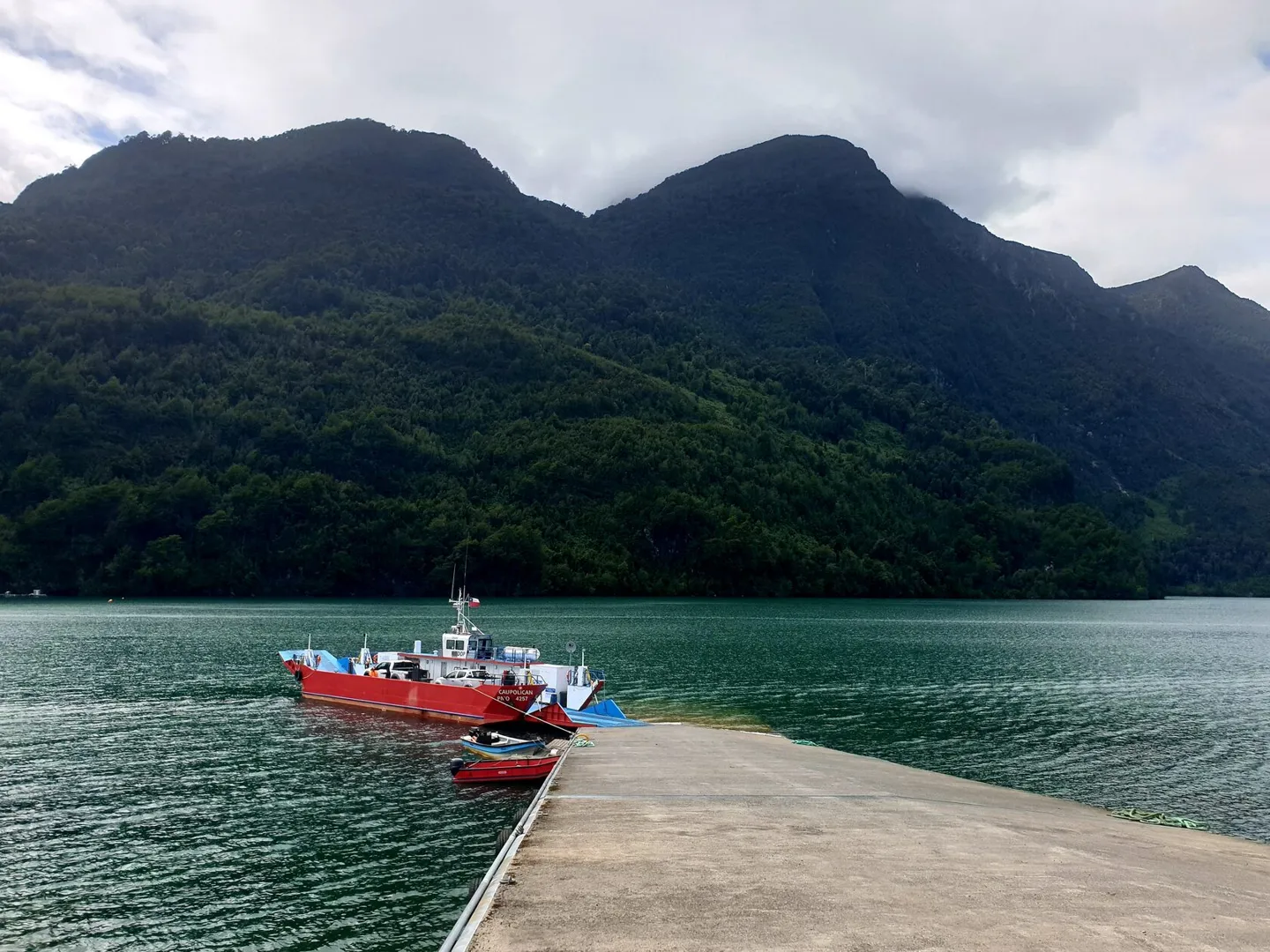
On the shores, secluded houses peek out from the forest on steep banks. It seems to be a local standard to have a waterfall at least 10 meters high in your backyard. Access to these homes is only by water, and our ferry stops at one of them. It’s a charming and somewhat unexpected sight—the ferry approaches the wild shore, lowers the platform usually used for cars, and a local man runs to his house.
The Boat to the Park
Upon arriving at Puerto Maldonado, most passengers continue along the Puelo River valley, which offers an array of attractions, from rivers and mountains to Chile’s southernmost vineyard, known for its Patagonian Pinot Noir.
I, however, await a small boat to take me across the lake to the park itself. This transfer is included in the park’s entrance fee, with staff coordinating your pickup from the ferry.
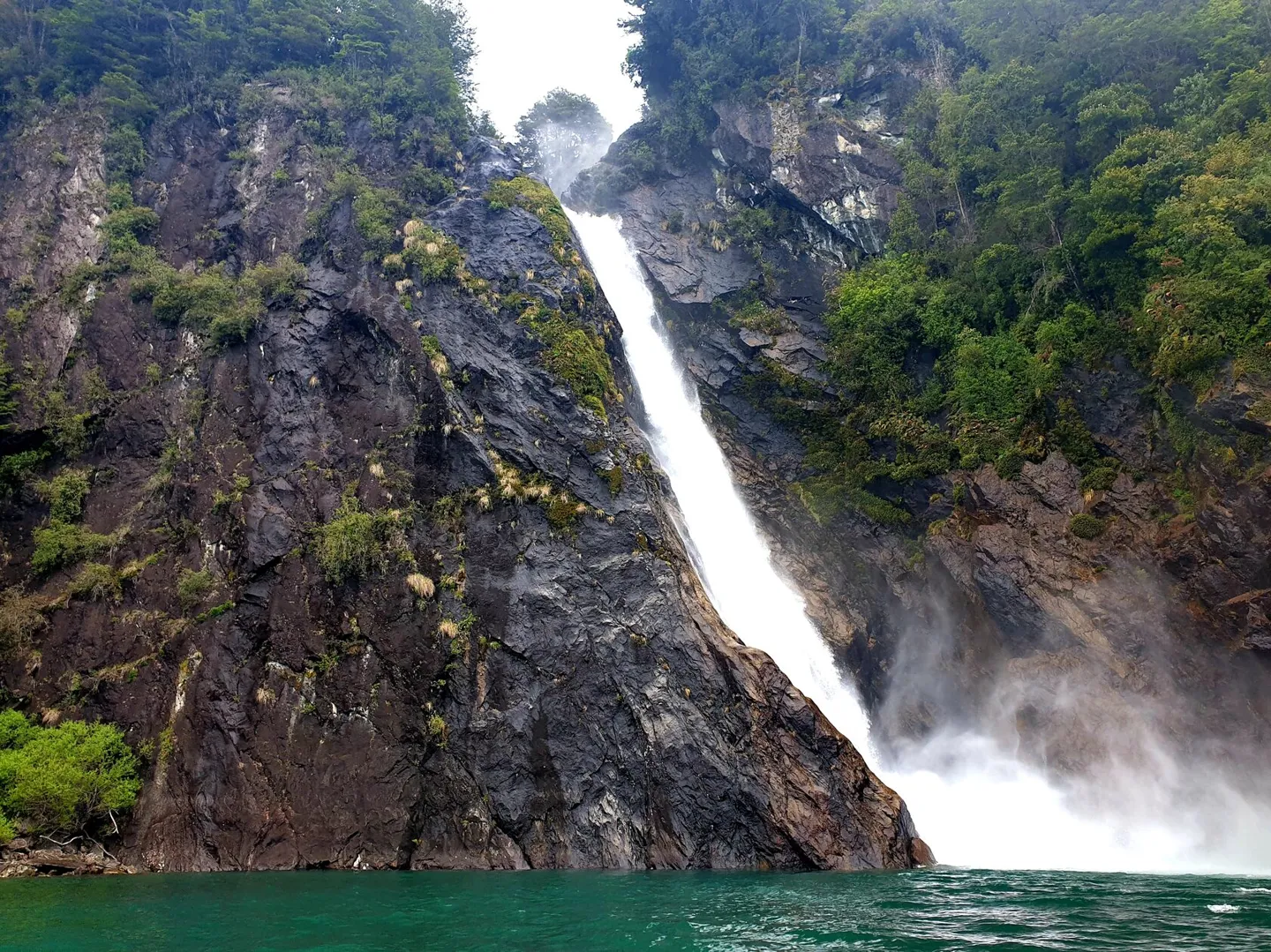
The wild opposite shore greets us with a waterfall tumbling directly into the lake. After giving us time to admire and photograph it, the boat driver takes us to the rocky shore where we disembark.
Trekking to Alerce Refugio
The main goal of the park is conservation and research. The staff first provide tourists with information about the local flora and fauna before letting them onto the trails. After the mini-lecture, you walk through the forest with heightened awareness, recognizing birds by their calls and listening intently to your surroundings. The dark, rain-soaked trail is strewn with red and white petals, and as you duck under another branch, you instinctively look in the mud for large cat paw prints—there are definitely two pumas here, as shown in the park’s photos.
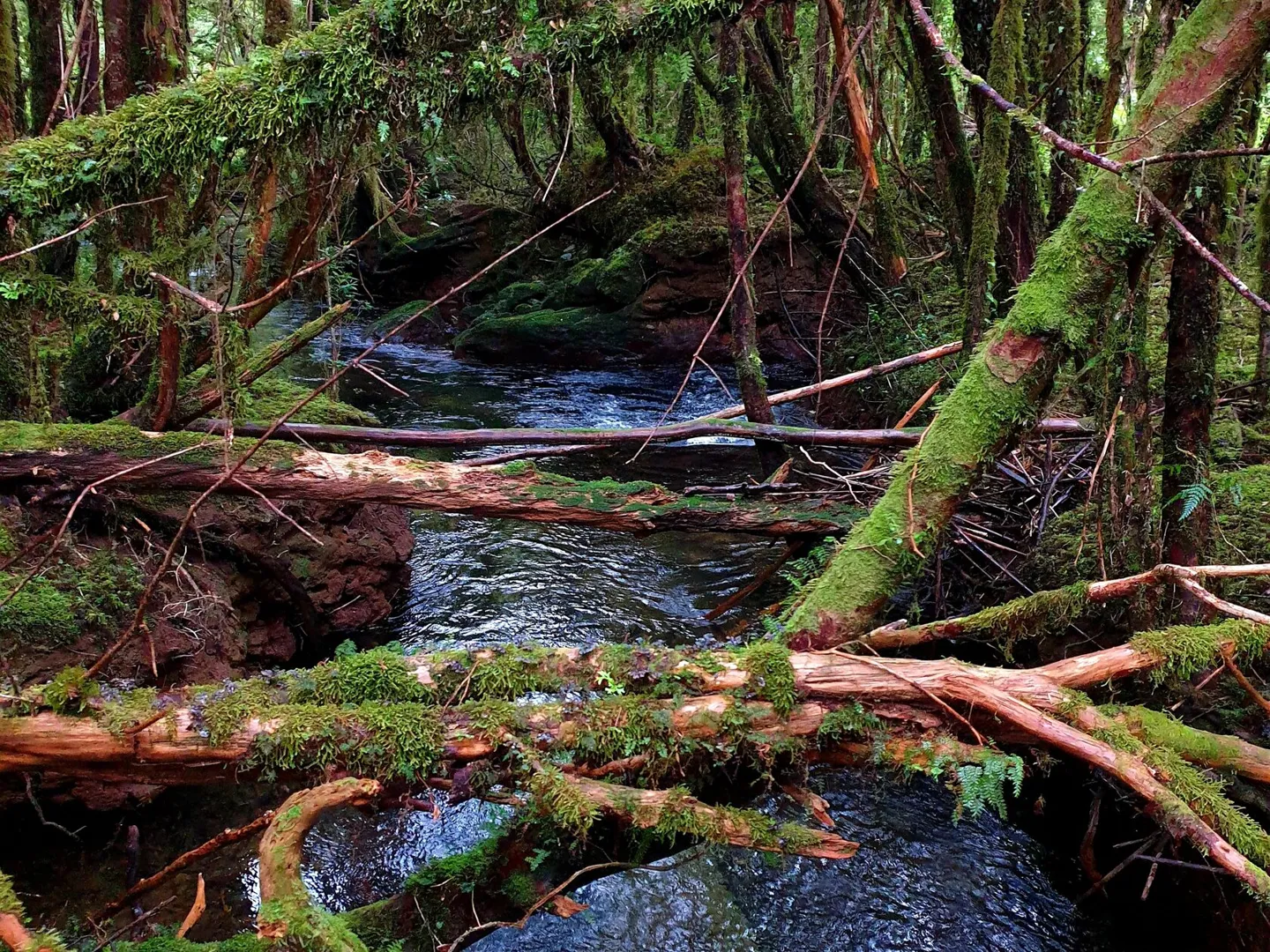
The trail to Alerce Refugio is 6.5 km with an elevation gain of just over 500 m. At the park entrance, they’ll tell you the estimated time is four hours, but it varies individually. It took me 2.5 hours. A map of the park with trails and distances is available on the website.
A light rain alternates between stopping and starting again, pleasantly refreshing and adding a mysterious charm to the Valdivian jungle. After a couple of hours, I arrive at the refugio and feel like I’ve entered another dimension—a small wooden house with a terrace hanging in the mist above a lake surrounded by granite cliffs. The water is dotted with the skeletal remains of ancient Alerce trees, and low clouds add an extra layer of seclusion to this corner of the world.
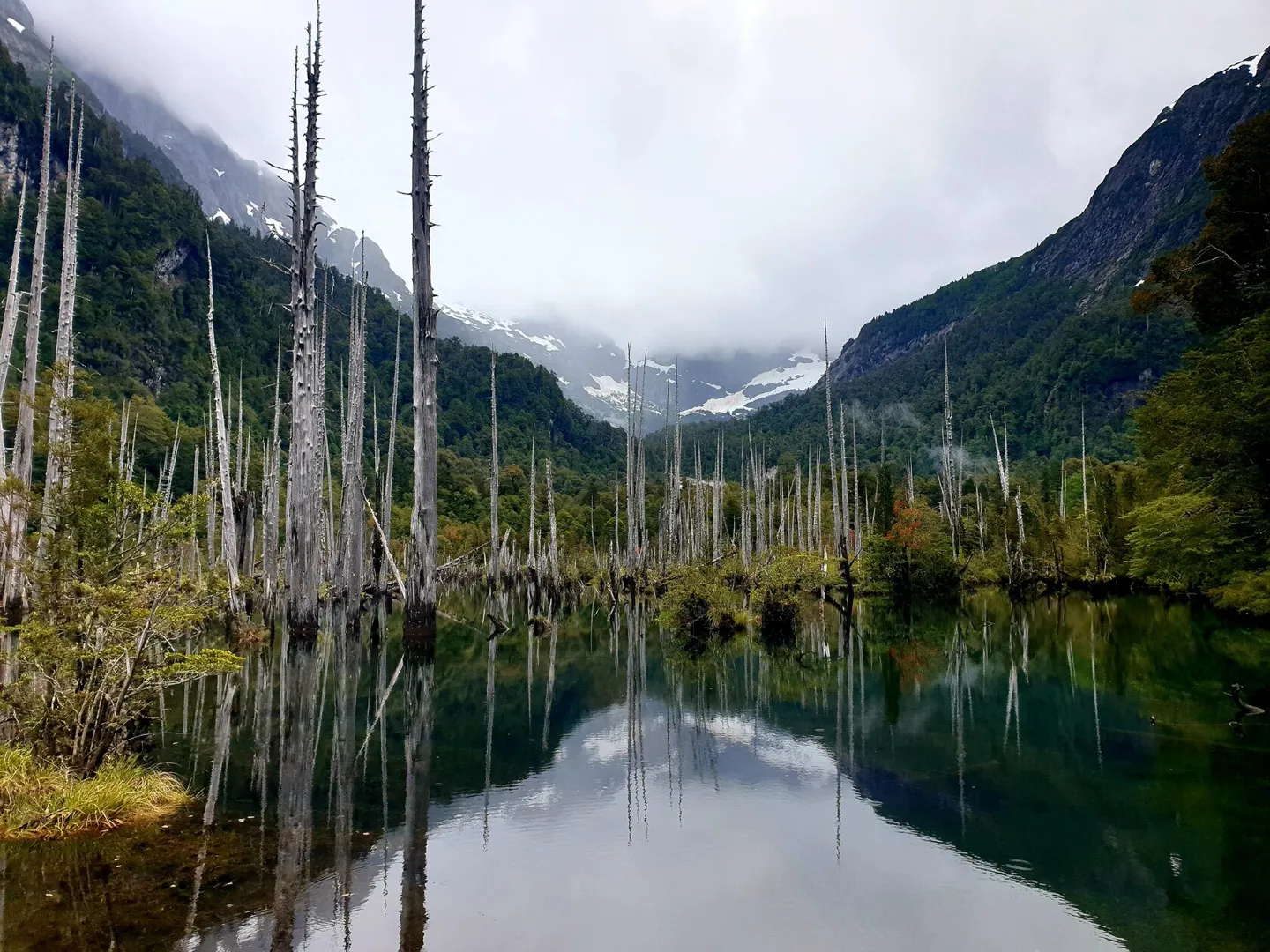
The refugio itself is a pleasant surprise with its cleanliness and coziness. Everyone removes their shoes upon entering, walking on the fresh wooden floors in socks. A large communal table greets visitors at the entrance, followed by a stove and kitchen. You’ll need to bring your own stove and gas for cooking, as the park staff only light the wood stove in the evening. There’s always a kettle with boiling water on it for tea, and in the morning, you can use a thermos prepared the night before by the friendly caretaker.
I make a classic camping pasta with seafood, chat with fellow travelers, and head to the veranda to read, snug in my sleeping bag.
Trekking to Quetrus Refugio
The morning greets me with sunshine and a clear sky, transforming the lake from its mystical aura into a simply beautiful place. A park ranger finds a slow-moving frog, chilled by the morning air, and we spend some time studying this tiny representative of local wildlife.
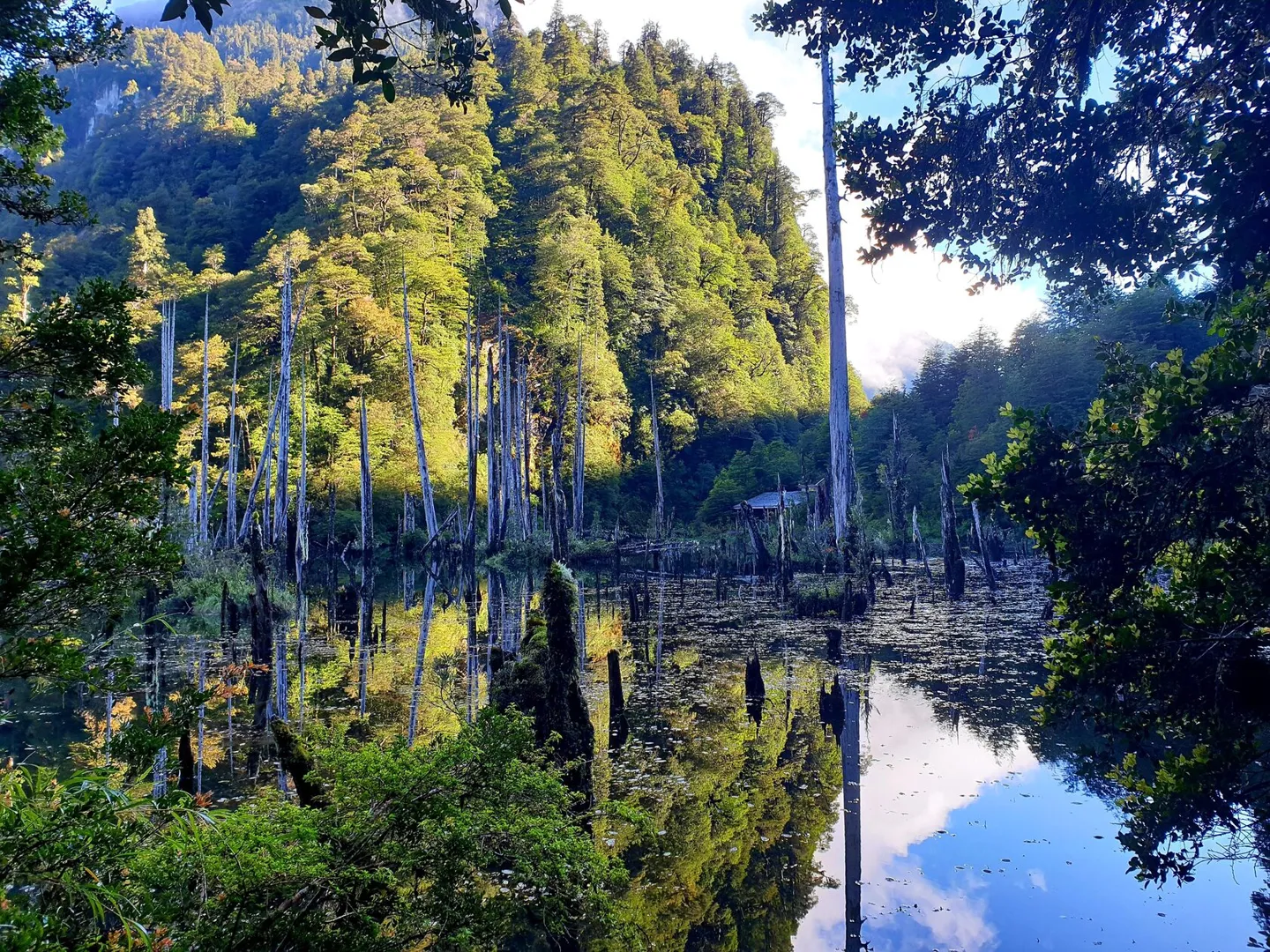
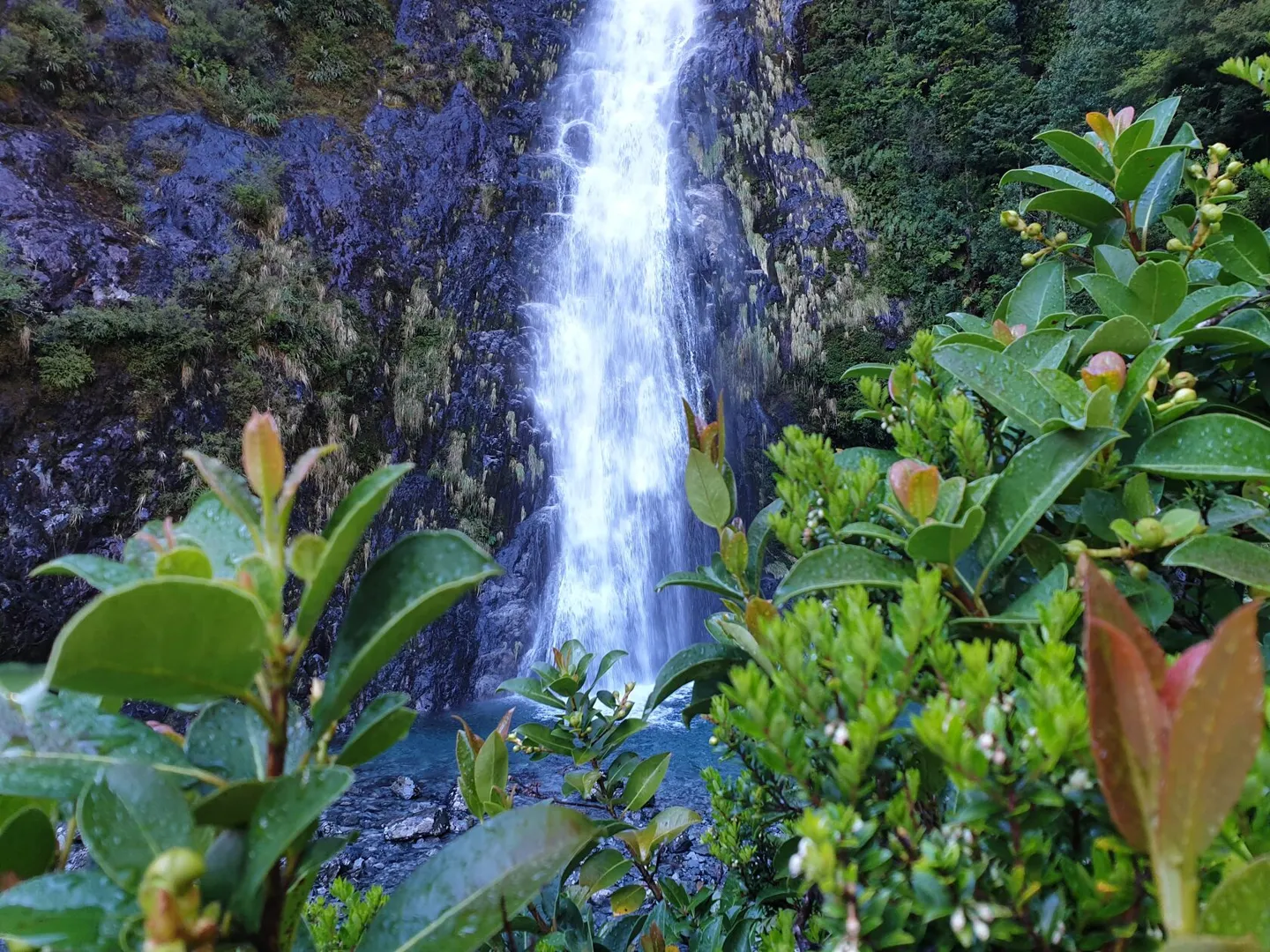
The trail from Alerce Refugio leads to the park’s second lake and Quetrus Refugio, with two side trails to waterfalls. The first waterfall, La Flaca, is close to the main trail and looks particularly stunning framed by lush greenery, with a bench thoughtfully placed for rest and contemplation.
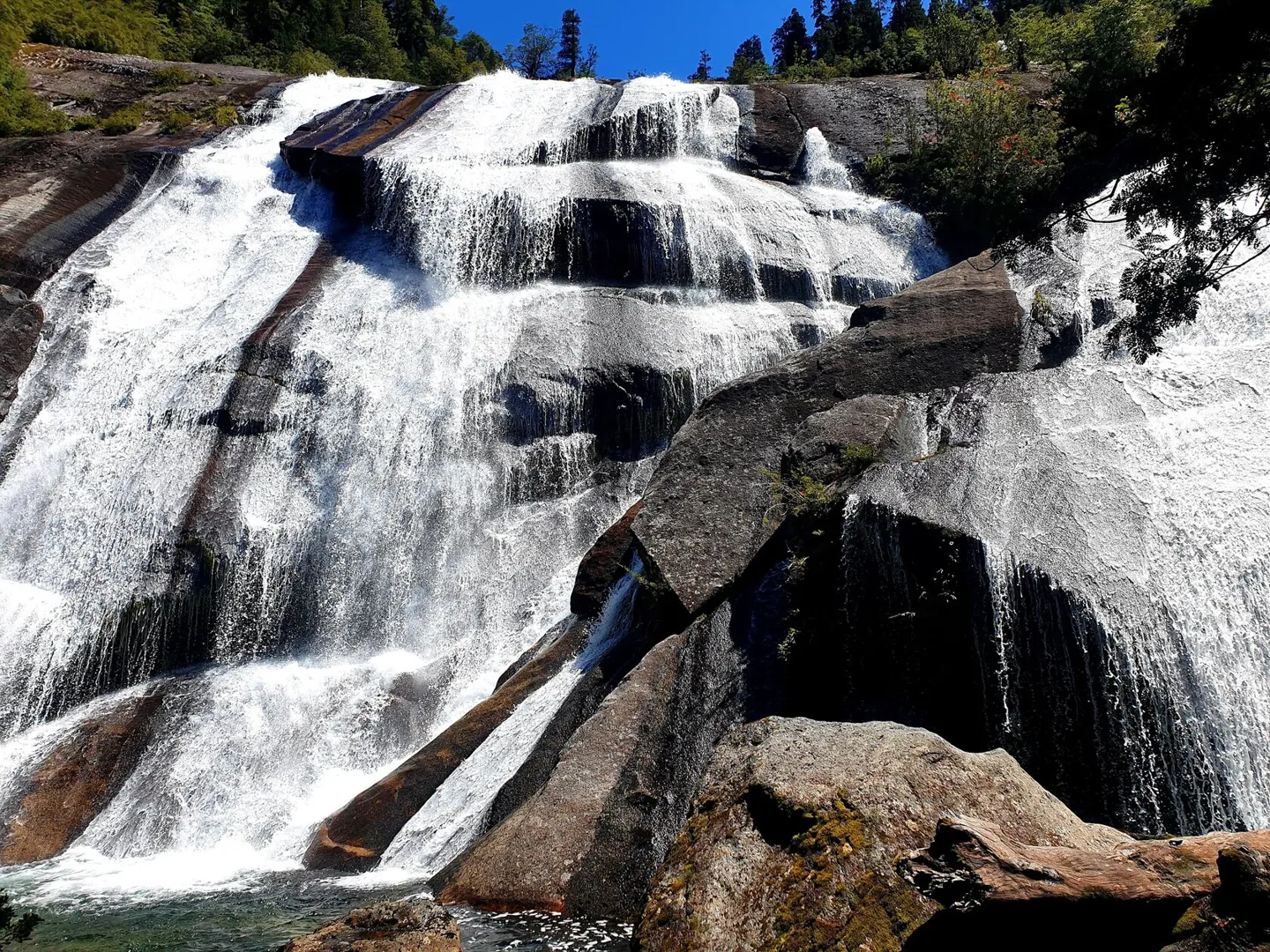
The trail to the second waterfall, aptly named Grande, begins with a bridge formed by a massive tree trunk laid across a stream. Reaching this waterfall takes a bit longer, but the journey is filled with captivating sights. My favorite spot was a riverbank where the water rushes down a steep granite slope, reminiscent of a natural waterslide.
Returning to the main trail, I start a steep ascent featuring numerous wooden stairs. This part of the trail winds through shady forests before leveling out onto a wooden walkway over marshy ground, offering panoramic views of the surrounding valley and mountains. Soon, I arrive at Quetrus Refugio’s terrace, observing wild birds perched gracefully on rocks jutting from the lake.
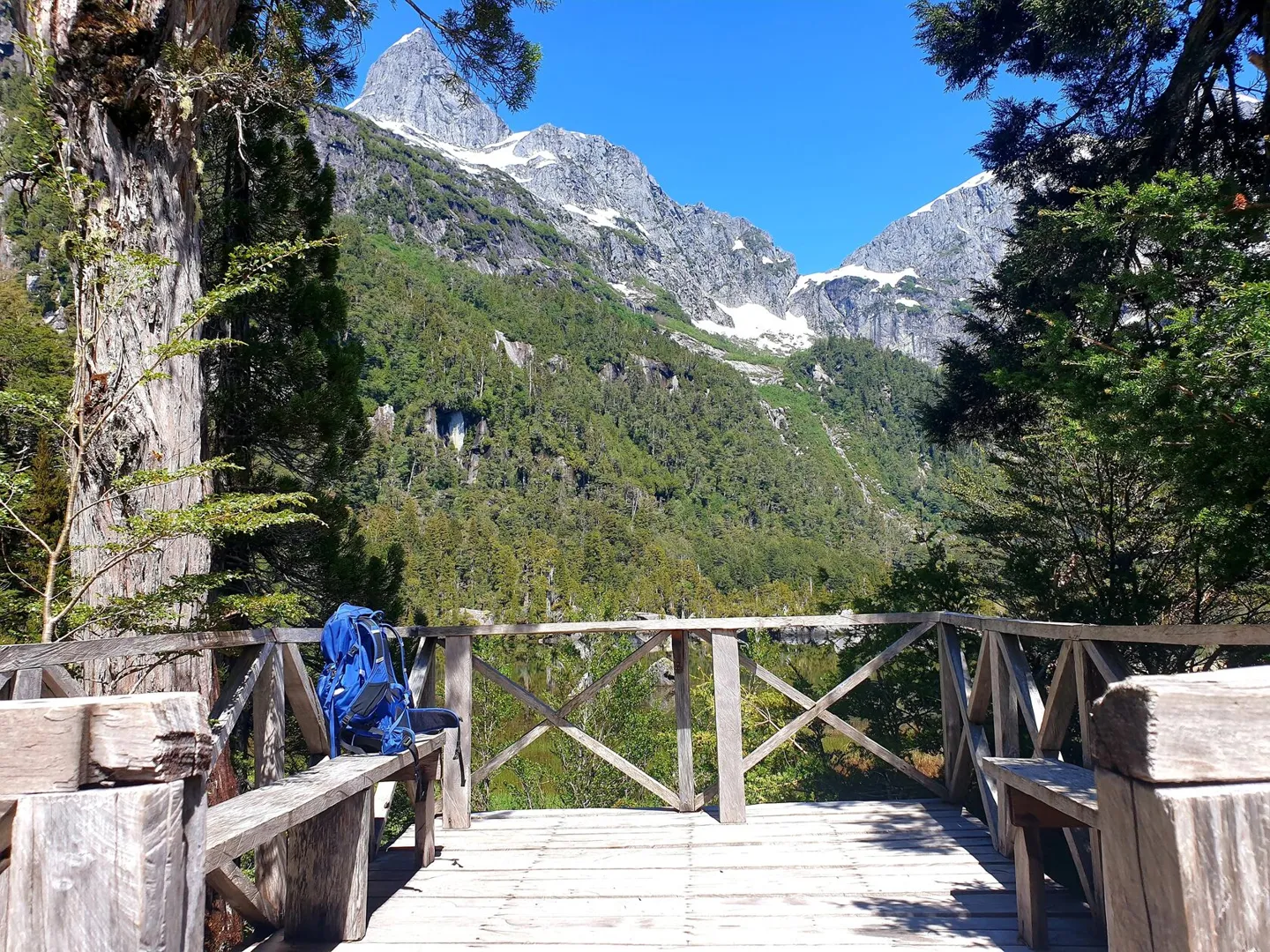
From the refugio, trails lead in both directions along the lake. With no other visitors in sight, I linger in the solitude, basking in the sun on a fallen tree leaning over the water.
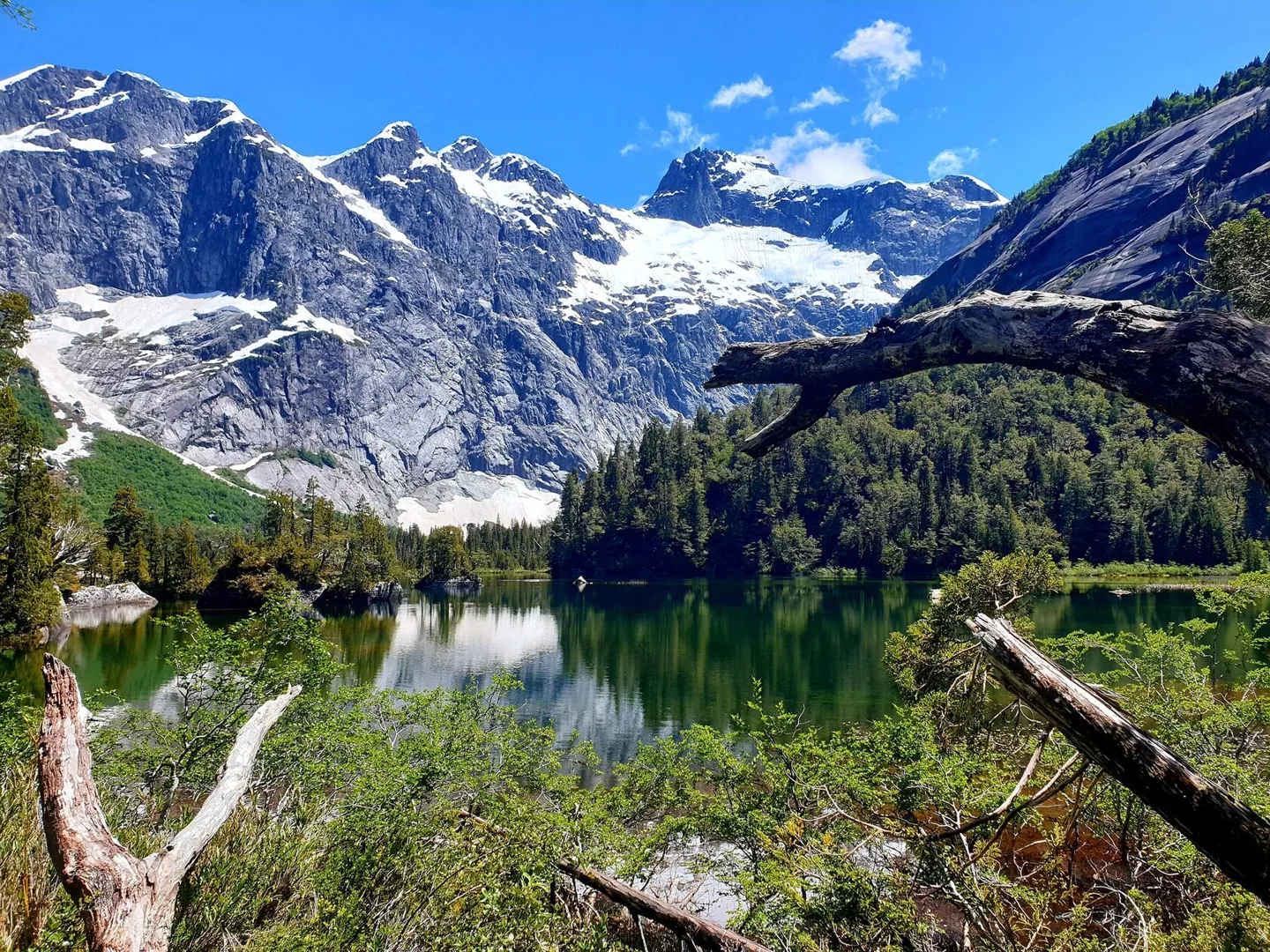
The park has a total of 15 km of trails, though the landscapes make you want to stay longer. I hope that one day there will be a route connecting Tagua Tagua Park with Hornopirén Park.
On my way back near the park exit, I take a detour to a small waterfall. Here, I find a natural shower—delicate streams cascade from a high overhang, breaking against my body with enough pressure for an excellent massage. Rainbows dance in the spray, and I realize this is the perfect ending to two days of trekking.
To feel the atmosphere of a journey to Tagua Tagua Park, watch my short video on Instagram.
Follow the Crossing Borders Telegram channel for more adventures.